
Why Sight Words Don’t Stick
Teaching sight words can feel like a never-ending struggle. You introduce a list on Monday, practice all week, and by Friday many students still can’t remember them.
Here’s the truth: it’s not your students—it’s the way we’ve been teaching sight words.
For too long, schools have leaned on flashcards and random weekly lists, but research shows those methods don’t help kids lock words into long-term memory. Instead, there’s a science-backed way to teach sight words that stick—and it starts with avoiding two common mistakes.

Mistake #1: Teaching Random Sight Word Lists
Many sight word programs hand teachers a list and say, “Teach these words this week.” That’s how kids end up with the, and, for, all assigned together.
The problem? Each of those words follows a very different phonics rule.
- The → digraph (TH) and schwa E
- For → r-controlled vowel
- All → double consonant pattern
- And → short vowel A
That means students are juggling five rules at once—far too much for developing readers to manage. No wonder so many kids forget sight words week after week.
The Science-Backed Fix
✅ Group sight words by phonics or spelling rule.
When students practice words that share a pattern, they spot connections and build real fluency. For example, teach these sight words together:
- Short A words: am, and, can
- TH words: this, that, them
- R-controlled vowels: for, her, car
This approach reduces overwhelm and helps students learn smarter, not harder.
Mistake #2: Relying on Flashcards
Flashcards have been the go-to for decades, but here’s the problem: kids don’t learn sight words by simply seeing them 5,000 times.
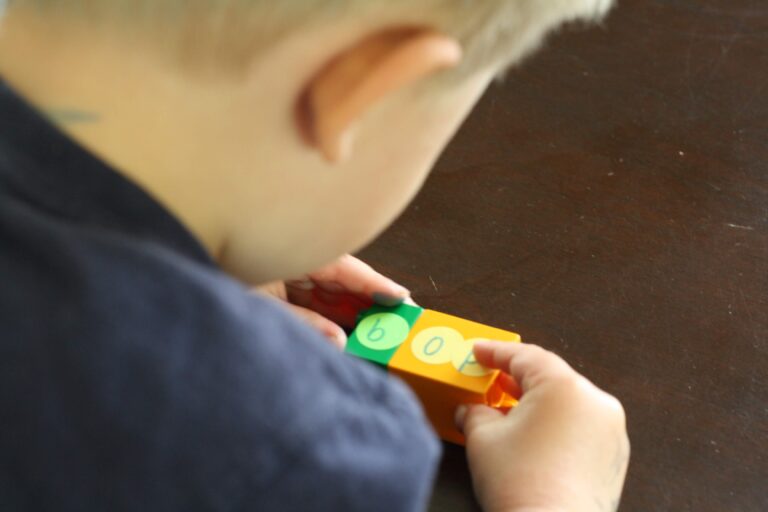
The science of reading shows that children don’t memorize words through visual memory alone. Instead, they master words through a process called orthographic mapping—linking the sounds they hear to the letters that spell them.
The Science-Backed Fix
✅ Have students connect sounds to letters.
Instead of flashing cards, teach students to:
- Break a word into sounds. (can → /k/ /a/ /n/)
- Map each sound to its letter. (C-A-N)
That’s how words move into long-term memory—and why flashcards alone don’t work.
The Science-Backed Way to Teach Sight Words
When you stop throwing random words at students and instead:
- Group sight words by phonics rule
- Teach students to map sounds to letters
…you’ll see faster progress, stronger retention, and fewer Friday spelling test frustrations.
This isn’t just easier for students—it’s easier for you, too.When you use science-backed strategies your students will finally start remembering the words you’ve worked so hard to teach.
And with the pre-sorted sight word list, you’ll have a simple, ready-to-use tool to make sight word instruction faster, more effective, and way less overwhelming.
Because when kids stop memorizing and start connecting, they don’t just learn sight words… they become confident readers.
Free Pre-Sorted Sight Word List
I know your planning time is already stretched thin. That’s why I created a free pre-sorted sight word list organized by phonics and spelling rules.
With this list, you’ll know exactly which sight words to teach together—no more guessing or wasting time re-sorting lists yourself.
Click the big blue “Download Here” button to grab your copy!